

THE SEPTEMBER 2026 DEADLINE
PREPARING FOR BENEDICT’S LAW
From September 2026, Benedict’s Law introduces mandatory guidelines for managing food allergens in schools across England. Educational trusts and caterers must act now to implement localised safety policies, control common allergens, standardise emergency protocols, and complete mandatory staff training.
Benedict’s Law is named after Benedict Blythe, who tragically died from an allergic reaction at school. This new statutory framework replaces inconsistent local guidelines with uniform, mandatory safety standards for food allergens across all state-funded schools and academies in England, aligning with the new official statutory allergy safety guidance in schools issued by the Department for Education.
THE THREE PILLARS FOR MANAGING ALLERGENS UNDER THE September 2026 MANDATE
Compliance is built on three mandatory operational pillars:
 PILLAR 1
MANDATORY LOCALISED ALLERGENS SAFETY POLICIES
Schools must publish and maintain a dedicated policy for food allergens. This must detail specific kitchen cross-contact limits, playground eating areas, and classroom ingredient rules.
 PILLAR 2
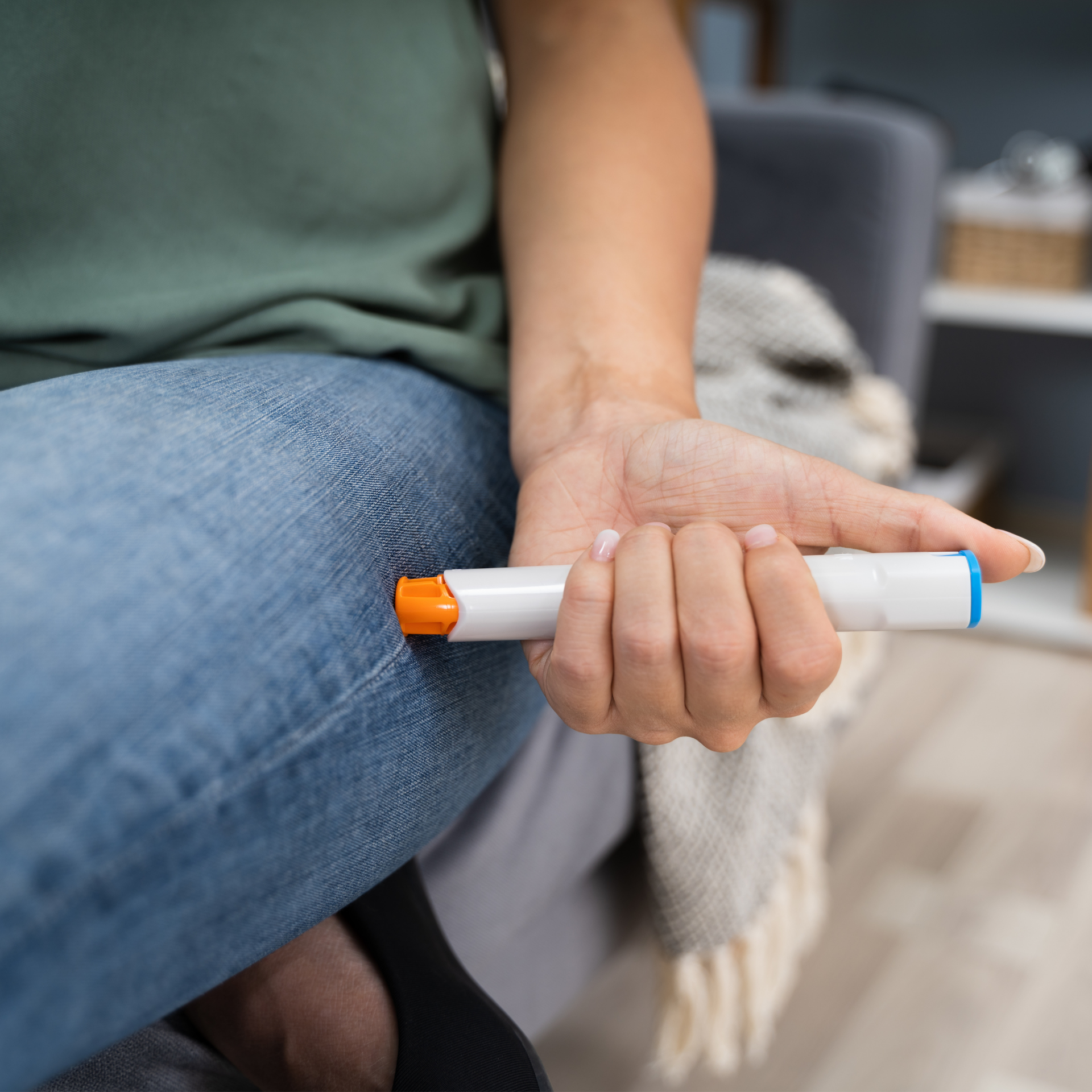
EMERGENCY ADRENALINE (AAI) PATHWAYS FOR SEVERE ALLERGENS
Schools must maintain spare, non-prescribed adrenaline auto-injectors (AAIs) in an unlocked, central location to treat severe reactions to allergens. Expiry dates and batch numbers must be logged monthly.
 PILLAR 3
STANDARDISED EMERGENCY DRILLS & TRAINING
All kitchen, supervision, and teaching staff must complete accredited training on food allergens. Schools must run practical emergency response drills matching standard fire safety routines.
ACTION PLAN FOR ALLERGENS CONTROL IN CATERING
Catering leads must translate these school-wide policies into daily, repeatable kitchen operations. Follow this step-by-step action plan to prevent cross-contact from major allergens during busy food services:
1. AUDIT SUPPLIER DATA & BLOCK SUBSTITUTIONS
Ensure suppliers provide written ingredient and allergens logs. If any product is substituted, quarantine and block it from menus until kitchen leads verify the updated ingredient specifications.
2. ENFORCE COLOUR-CODED KITCHEN SEGREGATION
Set up dedicated prep stations with colour-coded tables, chopping boards, and cooking tools for menus prepared without major allergens. Keep raw ingredients containing allergens sealed in separate, designated storage zones.
3. CONSTRUCT LIVE DAILY ALLERGEN MATRICES
Do not rely on outdated paper recipes. Update a live, digital matrix for food allergens every morning matching the exact dishes and batches being served. This must be instantly accessible to all staff and compliance inspectors.
4. SYNCHRONISE WITH PUPIL IDENTIFICATION PATHWAYS FOR ALLERGENS SAFETY
Serving staff must have a foolproof method to identify pupils affected by food allergens. Work with school staff to implement visible safety identifiers, such as colour-coded trays, wristbands, or digital profile pictures.
5. RUN JOINT KITCHEN EMERGENCY RESPONSE DRILLS FOR ALLERGENS
Include kitchen and midday supervision teams in school emergency drills for severe reactions to allergens. Staff must know where spare AAIs are kept, how to contact a first aider instantly, and how to rapidly evacuate or clear the hall if needed.
6. PUBLISH FILTERABLE DIGITAL MENUS
Publishing live, filterable digital menus (via platforms like Nutritics or TenKites) allows parents to check the 14 major allergens and pre-plan safe meals from home, eliminating counter-side communication errors.
BEST PRACTICE MANAGEMENT FOR FOOD ALLERGENS
To exceed minimum legal benchmarks and avoid food safety inspection failures regarding allergens, implement these proactive safeguards:
-
DIGITAL ALLERGEN MANAGEMENT:
Link central recipe software directly to supplier databases to auto-block ingredients containing undeclared allergens if specifications change. Ensure menu information is updated in real-time. -
PHOTOGRAPHIC COUNTER PROFILES:
Maintain clear, photo-supported identity charts for pupils with severe sensitivities to allergens behind food counters for immediate visual verification during high-speed meal service. -
NEAR-MISS LOGGING SYSTEMS:
Log supplier delivery mistakes, close calls, and minor kitchen mix-ups regarding food allergens inside a central safety registry to fix vulnerabilities before they lead to an incident.
INSPECTION CHECKLIST FOR ALLERGENS: OFSTED & ENVIRONMENTAL HEALTH
REGULATORY FRAMEWORKS
During routine inspections, Environmental Health Officers (EHOs) will audit food prep teams to verify they can instantly supply written, accurate matrices for allergens across any food batch served. Ofsted inspectors focus heavily on safeguarding protocols, staff training logs, and practical emergency safety readiness.
Keep all updated training logs, supplier specification sheets, and local policy documents consolidated in your central compliance folder.
READY FOR THE SEPTEMBER DEADLINE?
Do not leave school dining safety to last-minute checks. Audit your active menus, contact your suppliers, and organise segregated, colour-coded preparation areas for allergens control today.