Benedict’s Law: School Allergy Safety Legislation
Benedict’s Law improves allergy safety in state-funded schools in England. Named after Benedict Blythe, this legislation establishes consistent, robust statutory requirements to prevent allergic incidents and manage medical emergencies in schools from September 2026.

Who Does It Apply To?
- All state-funded schools in England.
- School allergy management policies, staff training, and emergency preparedness.
- School catering teams and suppliers providing meals to children with allergies.
What Does Benedict’s Law Require?
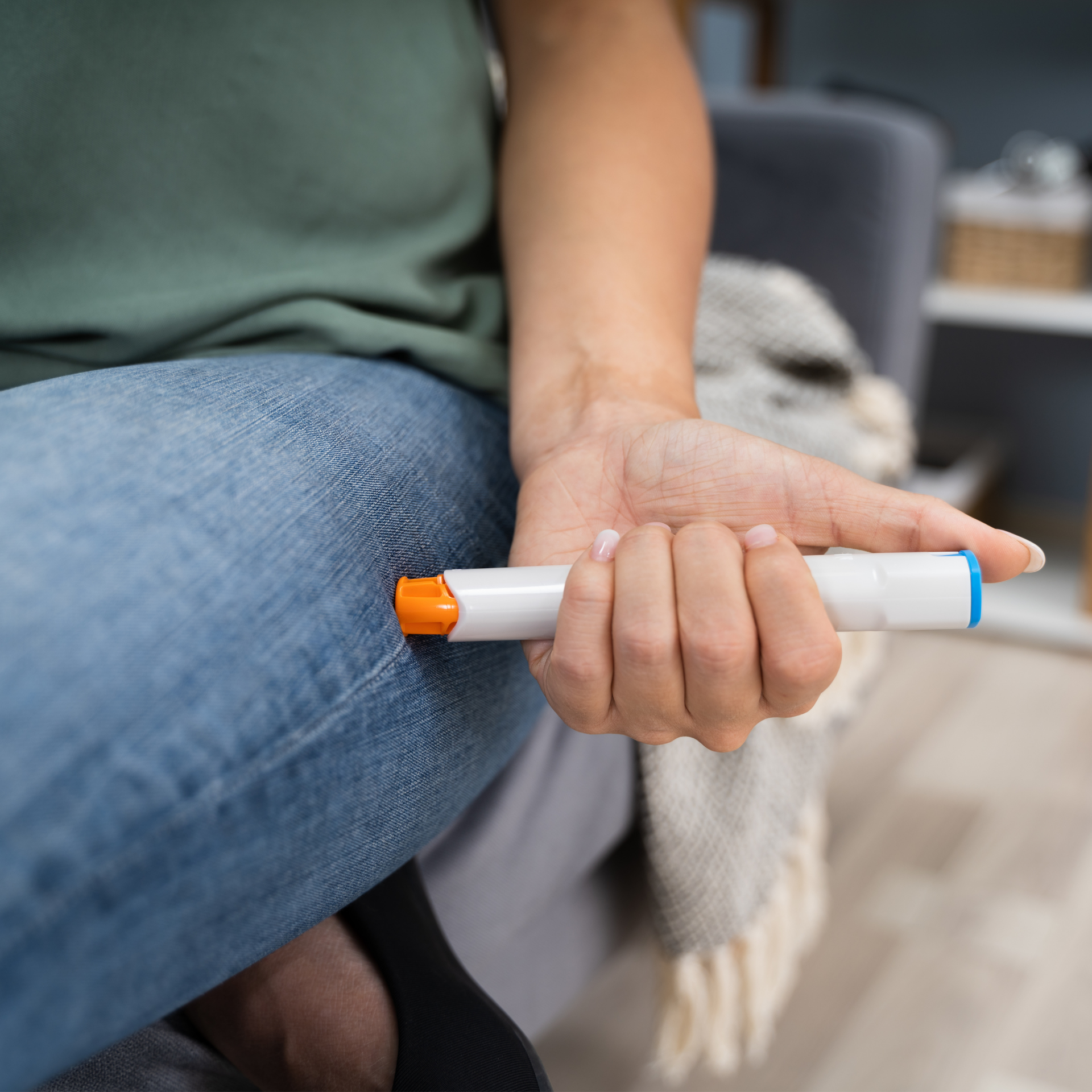
Spare Adrenaline Auto-Injectors (AAIs)
Schools must have emergency Adrenaline Auto-Injectors (AAIs) accessible on-site to treat severe allergic reactions.

Mandatory Staff Training
Mandatory training for school staff covers allergen awareness, cross-contact prevention, and medical emergency response.

Allergy Management Policies
Schools must implement comprehensive policies to identify and manage pupils with allergies, including individual healthcare and emergency action plans. This includes appointing allergen champions with clear responsibilities.

Safe Food Provision
School kitchens and catering teams must label and segregate allergens, preventing cross-contamination to enable safe menu planning for pupils.
Sections 100A & 100B: Allergy Safety Policy and Regulations
Children’s Wellbeing and Schools Act 2026
(1) Every school must maintain a written Allergy Safety Policy covering the management of allergies affecting pupils, including pupils at risk of anaphylaxis.
(2) Schools must review their Allergy Safety Policy at least annually, make any necessary amendments, and ensure the policy remains consistent with current statutory guidance.
(3) The policy must be publicised to parents, pupils, staff, and the wider school community, including publication on the school’s website and annual awareness communications.
(4) The Secretary of State may make regulations requiring schools to implement procedures for identifying pupils with allergies, managing allergy risks, and recording and reporting allergy-related incidents.
(5) Regulations may require schools to provide allergy awareness and emergency response training for teaching staff, support staff, catering personnel, and other designated individuals.
(6) Regulations may require schools to maintain and provide access to emergency medicines and medical devices, including Adrenaline Auto-Injectors (AAIs), on school premises and during off-site activities.
(7) Schools may be required to designate a named person with responsibility for allergy safety, policy implementation, staff training, and incident oversight.
Action Areas for School Caterers
Secure your end-to-end food supply chains, digitise recipe controls, and prepare kitchen workflows to comply fully with the statutory requirements of Benedict’s Law using these system tools and physical safety actions:
Supplier Verification
Track raw supplier ingredient specifications directly down to the kitchen level, capturing substitution risks before delivery.
Recipe Control
Maintain central, digital recipe databases that automatically update and flag shifts in local kitchen allergen profiles.
Segregated Stations
Establish strict, colour-coded preparation zones and dedicated, allergen-free utensil packages to eradicate cross-contact.
Refresher Training
Equip kitchen and service staff with mandatory, verified training logs detailing cross-contact and safety procedures.
Filterable Menus
Provide parents and canteen coordinators with live digital menus that can filter food options by custom allergen profiles.
Emergency Alignment
Ensure kitchen staff are trained to recognize severe allergic reactions and coordinate with school medical teams.
UK School Safeguarding Audit
Select your settings below. Complete each dynamic question to analyze compliance against Section 100A requirements and generate your school’s scorecard.
Interactive Safeguarding Assessment
Complete each stage sequentially. Your options dictate downstream questions, unlocking access to your final regulatory scorecard.
Submit Audit & View Scorecard
Complete all questions on the left to unlock this panel and generate your customized safeguarding scorecard.
Form Section Locked
Complete Q1 (Setting Selection) to begin tracking your safeguarding compliance.
This interactive safeguarding self-assessment tool is provided solely for educational, guidance, and auditing support under Benedict’s Law guidelines. It does not constitute formal legal or clinical advice. School leaders and governors remain solely responsible for ensuring complete compliance with local, national, and international educational and food safety regulations. Food-Regulations.org and its operators assume no liability or responsibility for school medical policies, emergency handling decisions, or compliance inspections resulting from the use of this tool.
School Allergy Safeguarding
We can answer compliance questions or support with allergen management systems but nothing outside of that.
School Allergy Safety FAQ
When does Benedict’s Law officially take effect?
The statutory requirements and compliance checks for state-funded schools in England are scheduled to come into force in September 2026. This timeline allows school catering networks to map raw supplier ingredients, standardise procedures, and complete certified staff training modules well in advance.
Which schools are mandated to comply under Section 34?
The statutory requirements of the allergy safety legislation apply to all state-funded educational institutions in England. This includes primary schools, secondary academies, non-maintained special schools, and independent educational institutions seeking to meet prescribed standard benchmarks.
Are school kitchens required to hold spare Adrenaline Auto-Injectors?
Yes. Under Section 34 of the Children’s Wellbeing and Schools Act 2026, schools must purchase and maintain spare, easily accessible emergency Adrenaline Auto-Injectors (AAIs) on-site. These are used to treat sudden, severe anaphylaxis in pupils on the premises.
How should school kitchens manage cross-contact safety?
School caterers should maintain clear, separate, and colour-coded food preparation surfaces, dedicated allergen-free utensil packages, and automated supplier recipe checks. Standardising digital menus to filter specific dietary requirements enables parents to confirm safe dining options easily.
Does allergen training need to be completed every year?
Annual refresher training is widely regarded as best practice. Training should also be repeated whenever menus, procedures, legislation, suppliers, or staff responsibilities change. Contract caterers should maintain a structured programme that keeps allergen awareness current across all catering teams.
Do we need records of allergen training?
Yes. Training records provide evidence that staff have received appropriate allergen awareness instruction. Best practice is to maintain dated training logs, attendance registers, assessment results, refresher schedules, and certificates where available.
What is the best practice approach to allergen management systems?
The most effective systems connect supplier data, recipes, production records, menus, and allergen declarations in a single platform. Automated ingredient updates reduce the risk of manual errors and help catering teams maintain accurate allergen information across multiple schools.
How should we manage supplier ingredient changes?
Contract caterers should have a documented process for reviewing ingredient specifications whenever suppliers change products. Automated supplier verification systems can help identify allergen changes before products reach school kitchens.


© 2025 Food-Regulations.org. All rights reserved. Original content, analysis and guidance are the intellectual property of Food-Regulations.org and may not be reproduced or republished without permission or appropriate attribution. This website is provided for educational purposes only and does not constitute legal advice. While we aim to keep information accurate and up to date, Food-Regulations.org and Nutritics accept no liability for any reliance placed on its content.