The adoption of new international guidance on Precautionary Allergen Labelling (PAL) by the Codex Alimentarius Commission is one of the most important updates in global food allergen safety in years.
For decades, customers living with food allergies have relied on warning statements like “May contain” or “May contain traces of…” to choose food safely. However, these statements have lacked consistency. Different manufacturers use different wordings, some kitchens put warnings on almost everything, and others do not use them at all. This lack of a clear national rulebook in many countries has left buyers confused and kitchen staff unsure of how to protect their guests.
This inconsistency has real consequences. Some customers avoid safe foods unnecessarily, while others become used to seeing the warnings, assume the risk is low, and ignore them entirely. The new Codex guidance aims to clear up this confusion.
WHAT IS PRECAUTIONARY ALLERGEN LABELLING (PAL)?
PAL refers to the voluntary warning statements (such as “may contain” or “made in a facility that also handles…”) placed on menus or food boxes. It warns customers that trace amounts of an allergen might be accidentally present, even though it is not a planned ingredient.
WHAT IS ALLERGEN CROSS-CONTACT?
Cross-contact happens when an allergen is accidentally transferred from one food, surface, utensil, or person to another allergen-free food. Crucially: Unlike bacteria, food allergens are highly heat-stable. Cooking, baking, or frying does not destroy them. Once transfer occurs, the risk remains.
Keep up with regulatory discussions and updates on the FAO LinkedIn page
VIEW LINKEDIN POST
A BIG SHIFT IN GLOBAL FOOD ALLERGEN RULES
At its 49th Session in Geneva, the Codex Alimentarius Commission agreed to adopt a new global approach to Precautionary Allergen Labelling (PAL). This update aims to make “may contain” statements clearer, backed by science, and consistent for allergic consumers everywhere.
Food allergies affect an estimated 4.3 percent of the global population. Reactions can range from mild hives to life-threatening anaphylactic shock. Developed after seven joint expert discussions between the Food and Agriculture Organization (FAO) and the World Health Organization (WHO), the new guidelines set out a clear scientific method to decide when a warning label is actually needed.
Instead of using warnings as an excuse for poor cleaning or missing kitchen controls, the new rules state that food businesses must first:
- Identify where allergen hazards exist.
- Put proper allergen safety controls in place.
- Clean surfaces thoroughly to minimize cross-contact.
- Perform and write down a clear scientific risk assessment.
Only when a real, unavoidable allergen risk remains after these steps should a precautionary warning be used. This means businesses must prove there is a real risk before putting a warning on a label.
WHERE DOES THE RISK COME FROM?
As a Food Business Operator (FBO), you must understand that allergen cross-contact risks come from two completely separate areas: your supply chain and your daily kitchen operations.
1. SUPPLY CHAIN PAL
This is the cross-contact risk present on products from your manufacturers or suppliers before they even reach your kitchen.
How it is managed:
Food manufacturers manage this by using dedicated facilities, dedicated production lines, or shared lines with strict cleaning and segregation protocols. If they still cannot eliminate the risk, they apply a supplier PAL warning to their packaging.
2. OPERATIONAL PAL
This is the cross-contact risk that arises directly from your own operations and physical cooking environment.
Potential sources of operational cross-contact:
- Airborne allergens (like loose flour or milk powder in the air)
- Shared ingredient storage and open food containers
- Shared utensils, cutting boards, and prep surfaces
- Cooking processes (like shared frying oil or flat-top grills)
- Inadequately cleaned equipment and mixers
- Employee handling (staff touching different foods without washing hands or changing gloves)
THE 5-STEP ALLERGEN CONTROL FRAMEWORK
To help kitchens systematically evaluate and lower cross-contact risks before resorting to warning labels, food businesses should adopt this structured, five-step control workflow:
1
ELIMINATE
Remove the allergen completely from your physical site and your supply chain wherever possible.
2
MINIMISE
Remove the allergen where practical, or substitute it with a safer alternative across your site and your supply chain.
3
RESTRICT
Restrict the extent and movement of remaining allergens within the physical layout of your site.
4
MANAGE
Implement effective, written operational procedures to reduce the day-to-day risk of accidental contamination.
5
LABEL
Where you have made every effort to minimise contamination but a scientific risk still remains, apply precautionary allergen labelling (PAL).
KEY TAKEAWAYSCIENTIFIC RISK JUSTIFICATION
Precautionary warnings should only be used when a documented risk assessment proves there is an unavoidable allergen risk that cannot be cleaned away or managed through standard kitchen safety practices.
CASE STUDY: NEW PAL RULES IN THE NETHERLANDS (2026)
Starting January 1, 2026, the Netherlands has introduced some of the strictest precautionary allergen rules in the world. The Dutch Food Safety Authority (NVWA) is actively checking labels and kitchen procedures under these standards:
- No more “just-in-case” labels: Putting a warning on a label “just to be safe” without scientific proof is now illegal. If risk assessments show that cross-contact is below official safety thresholds, placing a warning on the label is actually prohibited.
- Only Two Allowed Phrases: Dutch food businesses are strictly limited to using only two specific versions of PAL statements on their packaging or menus:
1. “May contain [allergen]” (e.g., “May contain peanuts”)
2. “Not suitable for persons with [allergen] allergy/intolerance”
Older wordings like “may contain traces of…” or “made in a factory that handles…” are now completely banned.
- A Shift to the ED05 Standard: The Netherlands has officially adopted the “ED05” reference dose. This is a scientific threshold designed to protect 95% of the allergic population from experiencing any reaction. Because these limits are higher than older, overly conservative targets (like ED01), they help prevent unnecessary warnings, making more safe food choices available to consumers.
WHY PRECAUTIONARY ALLERGEN LABELLING HAS BEEN SO DIFFICULT
Precautionary allergen labelling (PAL) has always been a confusing topic under food safety laws. Unlike mandatory allergen declarations for ingredients that you intentionally put into a recipe, precautionary warnings deal with allergens that are not meant to be there. They find their way in accidentally during storage, transport, or cooking.
Unlike bacteria, you cannot destroy allergens by cooking, boiling, or baking them. Preventing cross-contact depends entirely on clean work habits, physically separating ingredients, choosing safe suppliers, and keeping accurate records. If those steps still leave a microscopic risk behind, a warning label is used to alert the consumer.
THE CONFUSION AROUND “VOLUNTARY”
A major source of confusion in the food industry is the word “voluntary.” Many local guidelines call precautionary labels “voluntary,” and food businesses, particularly in the catering and restaurant sectors, often misunderstand this to mean that warning about cross-contact is completely optional, or that they do not need to report it at all.
Much of the confusion stems from the repeated use of the word “voluntary” within existing guidance.
“Food business operators are responsible for assessing the need to provide precautionary allergen labelling.”
“Advisory statements such as ‘May contain’ are voluntary.”
These two statements can seem contradictory. However, the word “voluntary” is only used because not every single food item needs an allergen warning. If you have assessed your kitchen and there is zero cross-contact risk, you do not need—and should not use—a warning label.
On the other hand, when a documented check shows a real cross-contact risk that you cannot eliminate, communicating that hazard is mandatory to make sure your food is safe and not misleading. This is where many businesses make mistakes. They assume they can choose whether or not to mention an identified cross-contact hazard. The new Codex and national policies emphasize that if a real risk is identified, informing the consumer is essential for safety.
WHAT ARE THE REMAINING CHALLENGES WITH PAL?
While the Codex framework provides a helpful global reference, executing these rules in a busy kitchen or packing facility is difficult. Food businesses face several practical challenges:
1. KITCHEN DIFFERENCES ACROSS MULTIPLE LOCATIONS (SITE-LEVEL CONTROL)
Managing multiple sites is complex. A large restaurant group or catering chain might use the exact same recipe across 50 different locations. However, the kitchens themselves are rarely identical. Some locations may have large, modern kitchens with separate prep stations for gluten-free or nut-free dishes. Other sites might have tiny kitchens with shared tables, shared ovens, and no room to separate ingredients. Food businesses need flexible digital systems that allow managers to add or remove site-specific allergen warnings based on the physical setup of each individual kitchen.
2. CROWDED LABELS AND LIMITED SPACE
Food labels are running out of physical space. When you combine mandatory ingredient lists, bolded allergen warnings, nutrition tables, and scientific cross-contamination statements, packaging becomes incredibly crowded. For chefs and package designers, fitting this vital safety information onto small boxes or menus without confusing the guest is a difficult task.
3. LACK OF TIME AND EXPERT STAFF TO DO RISK ASSESSMENTS
A proper, science-based allergen risk assessment requires time, technical knowledge, and consistent training. Many small-to-medium food businesses struggle to complete this paperwork due to limited resources, high staff turnover in the kitchen, and lack of training on how to measure cross-contact risk.
4. KNOWING WHEN TO REDO YOUR RISK ASSESSMENTS
An allergen assessment is not a one-time task. You should immediately review and redo your assessments when any of these triggers occur:
- You change a raw material supplier or an ingredient brand.
- You reformulate a recipe or add a new item to your menu.
- You change your kitchen layout, add new prep tables, or buy new machinery.
- You alter your cleaning chemicals, sanitation schedules, or staff routines.
- An allergen incident, customer complaint, or product recall occurs.
- At a minimum, as part of your annual routine food safety check (HACCP review).
5. WHAT OTHER PRACTICAL CHALLENGES EXIST IN THE KITCHEN?
Beyond paperwork, real-world kitchens present dynamic daily physical challenges:
- Shared Deep Fryers: FBOs cannot easily clean cooking oil between dishes. If you fry gluten-coated fish, that oil is instantly contaminated with gluten. Any subsequent fries cooked in that same oil will carry a cross-contact risk that must be declared.
- Human Error and Staff Turnover: Busy dinner services are fast-paced. A temporary chef or new kitchen helper forgetting to change a cutting board, swap tongs, or wash their hands can instantly contaminate an allergen-free dish.
- Sudden Supplier Substitutions: If a supplier is out of stock and sends an alternative brand of cooking sauce that “may contain milk,” the kitchen must update its allergen menu immediately to protect diners.
NEW ALLERGEN DETECTION LIMITS FOR 2026
Along with policy updates, the scientific methods used to test for allergens have updated this year. To legally prove that an allergen is truly below a safe threshold—and therefore does not require a warning—companies must use highly sensitive laboratory test kits (such as ELISA tests).
Under the updated 2026 standards, the Limit of Quantification (LOQ) of a test must be at least three times lower than the product’s calculated action level. This means food manufacturers can no longer rely on low-sensitivity rapid test strips to claim a product has no cross-contact risks. If your action level is low, your testing must use specialized, high-sensitivity laboratory methods to verify that no allergen protein is present above the safety threshold.
HOW CAN FOOD BUSINESS OPERATORS AUTOMATE PAL?
With allergen laws tightening and the demand for science-based risk assessments growing, managing cross-contact risk on paper or static spreadsheets is no longer practical. Modern food operations rely heavily on digital SaaS platforms to secure their data from supplier to plate.
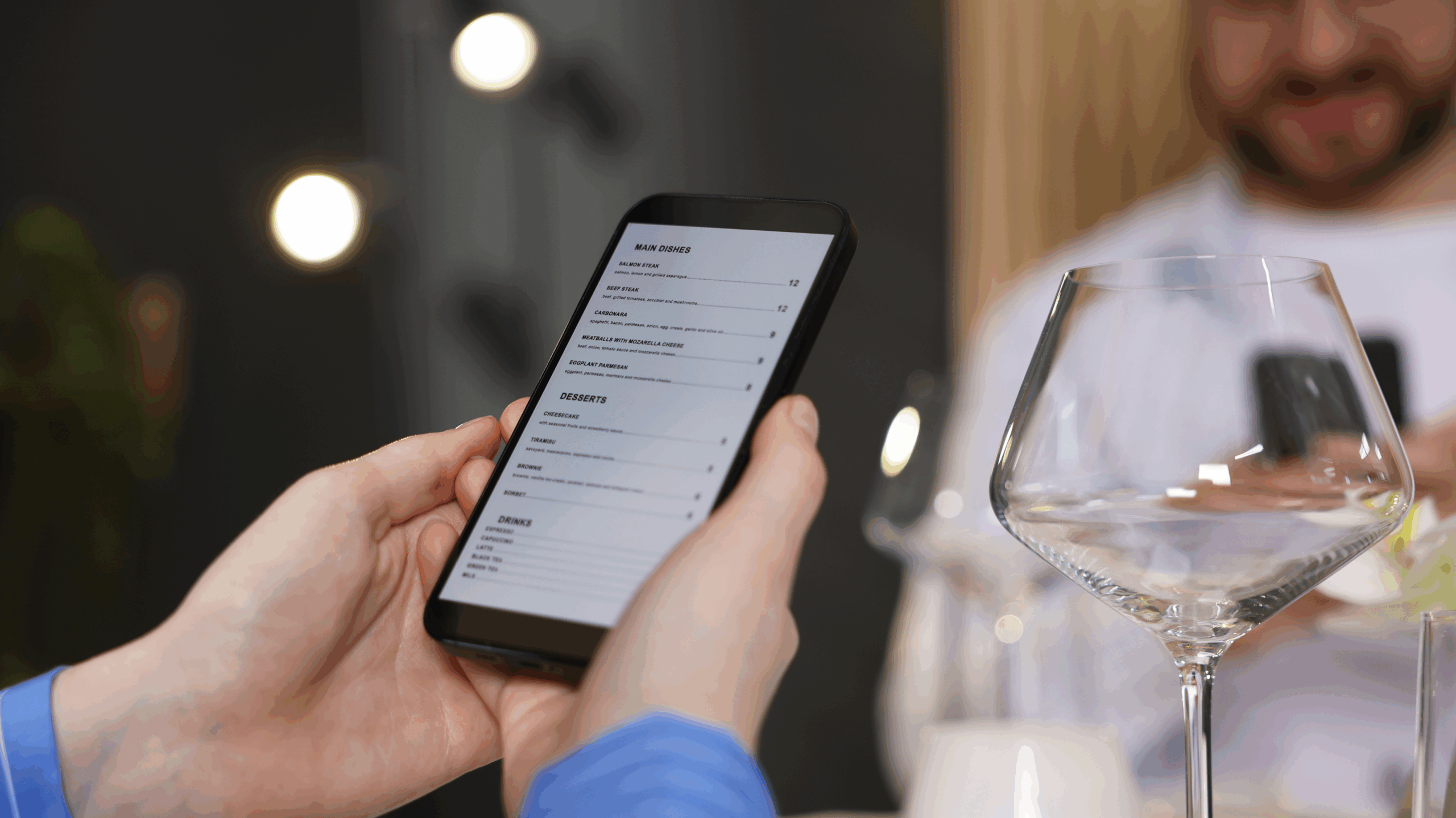
By digitizing ingredient specification sheets, cloud-based software platforms can monitor raw materials in real time. If a supplier updates an allergen warning on an ingredient, the platform automatically flags the change and updates every affected recipe, digital menu, and customer portal across the business. These digital tools allow culinary and quality assurance teams to apply site-specific PAL overrides based on the physical capabilities of each kitchen. This ensures that the warnings displayed to your guests reflect the true, physical state of the kitchen, preventing human error and keeping compliance audits clean.
LOOKING AHEAD: THE GLOBAL DIRECTION
The guidelines adopted at the 49th Session of the Codex Alimentarius Commission signal a clear path forward for global allergen management. While international Codex texts are voluntary guidelines, they form the basis for upcoming local laws, health inspections, and international food trade standards.
By moving to documented, science-based allergen risk assessments and using modern software tools to track ingredients, food businesses can move past the confusion of “voluntary” labels. Ultimately, the success of these new guidelines will be measured by whether “may contain” declarations become more meaningful, consistent, and trusted by food-allergic consumers around the world.
REFERENCES