DMCCA Regulations
Online Compliance
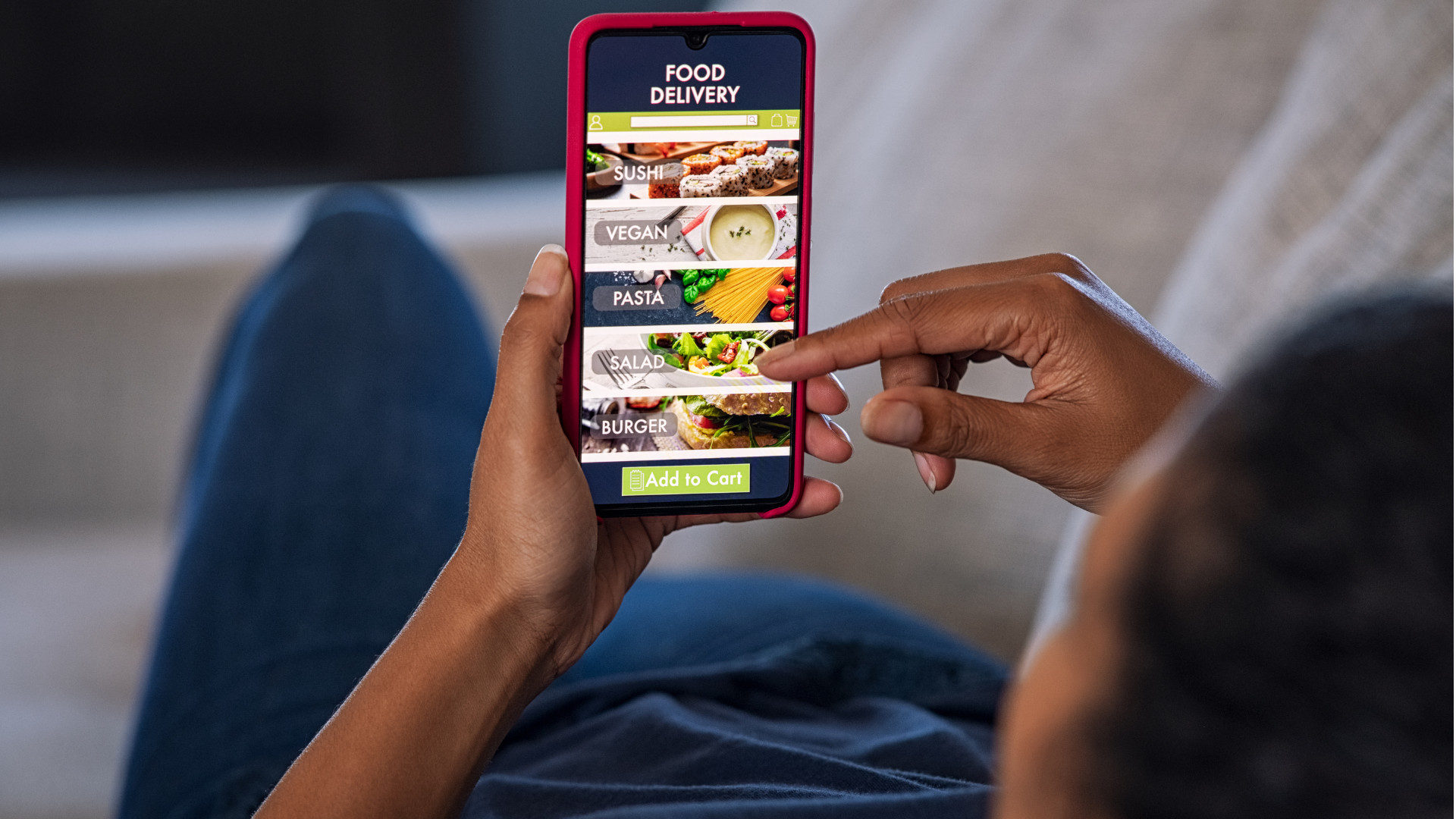
The Digital Markets and Consumer Competition Act (DMCCA) establishes strict digital consumer protection rules for online food ordering, third-party delivery apps, and subscription networks. Food Business Operators (FBOs) must secure accurate menu data, eliminate hidden surcharges, and ban deceptive cart layouts to remain fully compliant.
Who Does It Apply To?
- FBOs selling directly to consumers on websites, web menus, or ordering applications.
- Operators managing takeaway sales across third-party marketplaces (e.g. Deliveroo, Uber Eats, Just Eat).
- Businesses running coffee subscriptions, healthy office catering plans, or repeat delivery packages.
Core Rules For Online Sellers

No Drip Pricing
All inescapable checkout surcharges (such as mandatory platform packaging fees or unavoidable delivery card costs) must be detailed in the headline price on the first menu screen.

Verified Reviews & Claims
FBOs must verify genuine customer feedback and maintain documented, scientific evidence and calculations for any nutrition, health, or sustainability claims made on digital menus.

No Subscription Traps
Subscription meal or drink plans must offer self-service digital cancellation controls that are as quick, straightforward, and direct as the registration sign-up path itself.

No Deceptive Carts
Bans ‘dark patterns’ that automatically insert optional charges (like takeaway carrier bags, optional carbon-offsetting fees, or service tips) into checkout lists using pre-ticked boxes.
Part 4: Digital Pricing Transparency and Marketing Regulations
Digital Markets, Competition and Consumers Act 2024
Section 14 (Pre-Contract Information): Mandates that food operators provide clear, legible, and accurate key characteristics of food (including allergens, menu calorie specifications, and total pricing) *before* the consumer enters a digital purchase contract.
Section 22 (Banned Practices): Outlaws hidden or dynamically altering checkout fees (drip pricing) and prohibits deceptive design interfaces (dark patterns) that manipulate consumer purchasing decisions through pre-ticked selections or hidden text.
Consumer Enforcement Fines: Empowers the Competition and Markets Authority (CMA) to issue direct administrative fines of up to 10% of global annual turnover for non-compliant corporations, or £300,000 for individual directors.
Action Areas for Digital Canteens & Operators
Audit your transaction fees, verify environmental menu statements, and secure accurate allergen data displays to guarantee compliance with the DMCCA:
Surcharge Auditing
Verify checkout configurations across internal websites and partner platforms, ensuring mandatory surcharges (such as packaging or platform fees) appear upfront on the primary screen.
Frictionless Cancellation
Provide direct online portal controls for all catering subscription boxes or food plans, matching standard sign-up steps and removing phone loops.
Review Validation
Integrate automated software filters to verify customer-facing reviews displayed online, connecting comments directly to completed transaction numbers to catch fake profiles.
Clear Advertisements
Review promotional campaigns on social networks and apps. Advertised bundle structures must declare if basic elements (like fries or soft drinks) require extra compulsory fees.
Platform Data Auditing
Perform daily menu audits across partner apps (such as Deliveroo and Just Eat) to ensure calorie lists and allergen disclosures precisely match internal kitchen matrices.
Claim Substantiation
Compile verifiable scientific calculations and carbon metric sheets to support any digital claims (such as “low fat,” “high protein,” or “eco-friendly meal”) shown on ordering screens.
have a question?
Do you have questions about standardising online menus, managing third-party app displays, verifying carbon footprint calculations, or setting up review verification filters? Our support team is here to assist.
DMCCA Compliance FAQ
Am I responsible if Deliveroo’s menu has incorrect pricing or missing allergens?
Yes, FBOs hold joint legal accountability for menu data. The DMCCA rules on “Pre-Contract Disclosures” require FBOs to ensure accurate, real-time allergen and nutritional profiles are submitted and actively synchronised with delivery platforms to avoid misleading diners.
Are takeaway packaging charges subject to drip-pricing rules?
Yes. Any unavoidable or inescapable packaging fee (e.g. standard bag charges or compulsory single-use container surcharges) must be clearly stated in the headline price on the primary digital ordering screen. It cannot be added at checkout as a surprise charge.
What counts as a misleading sustainability or health claim on our digital menu?
Any nutritional statement (such as “low calorie option” or “reduced-sodium”) or environmental claim (such as “carbon-neutral delivery” or “sustainable sourcing”) must be supported by certified, scientific evidence. Under the DMCCA and CMA Green Claims Code, making unverified or vague assertions is illegal and carries significant turnover-based fines.
What digital ‘dark patterns’ must we remove from our checkout carts?
You must eliminate pre-ticked selections that automatically add items or surcharges to checkout carts, such as optional delivery protection fees, carrier bags, carbon-offsetting donations, or optional tips. Customers must actively opt-in to these charges rather than having to opt-out.
Do the subscription cancellation rules apply to corporate meal prep accounts?
Yes. If your business operates a recurring subscription box, corporate office delivery network, or weekly coffee program, you must provide a clear online dashboard. This dashboard must allow customers to cancel their plans instantly, without requiring them to make phone calls or complete multi-step email loops.
How does the CMA monitor review authenticity for small food businesses?
While major platforms face the direct focus of CMA’s investigation teams, smaller FBOs are still subject to consumer protection standards. If you display reviews directly on your website or online ordering application, you must show you take active, reasonable steps to prove reviews come from genuine diners who actually bought your food.

© 2025 Food-Regulations.org. All rights reserved. Original content, analysis and guidance are the intellectual property of Food-Regulations.org and may not be reproduced or republished without permission or appropriate attribution. This website is provided for educational purposes only and does not constitute legal advice. While we aim to keep information accurate and up to date, Food-Regulations.org and Nutritics accept no liability for any reliance placed on its content.