Frequently Asked Questions — Natasha’s Law (PPDS)

Which foods require Natasha’s Law labelling?

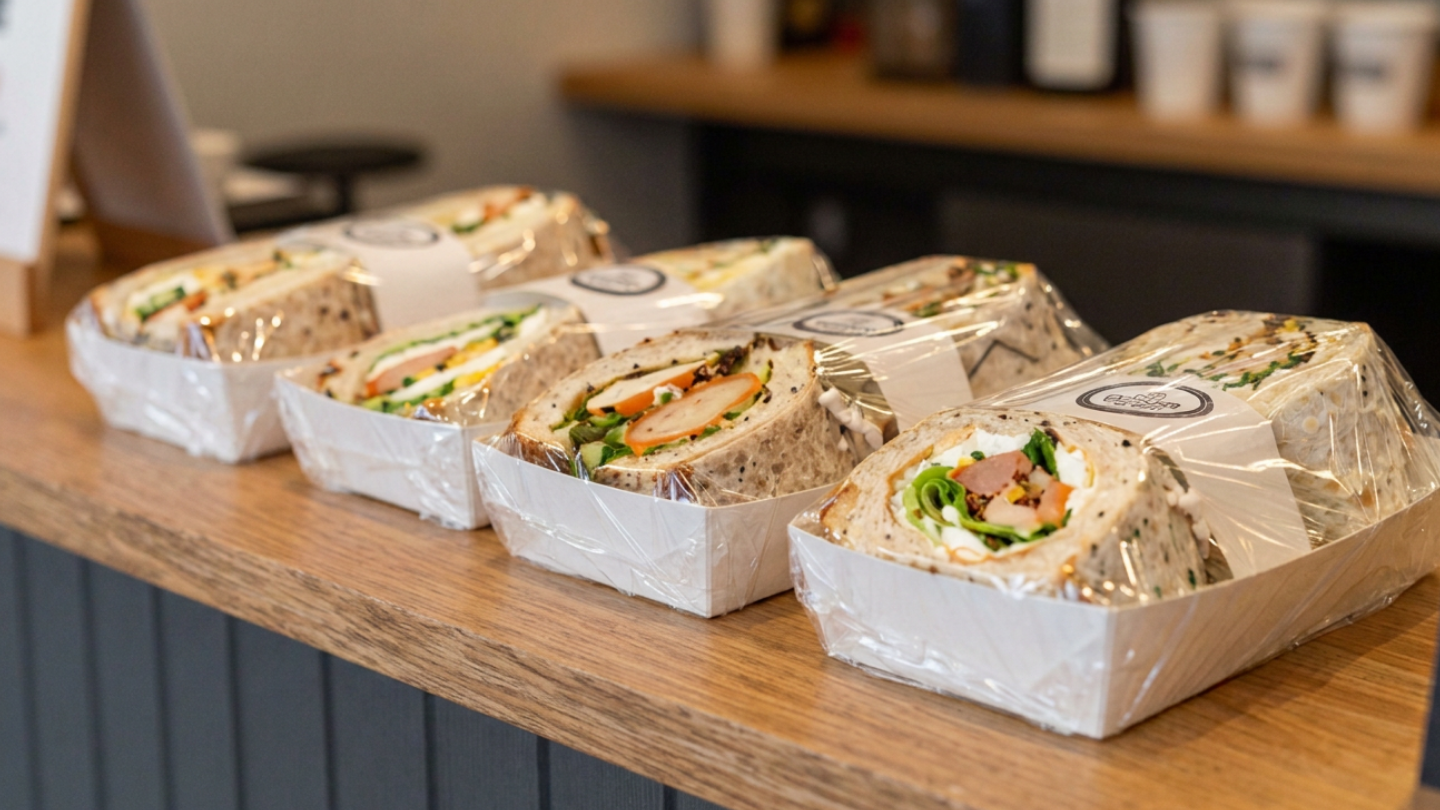
All prepacked for direct sale (PPDS) foods, including sandwiches, salads, bakery goods and similar items that are packaged on the same premises from which they are sold, must display a full list of ingredients and clearly highlight any of the 14 specified allergens.

What must be included on the label?

Labels must include the product name and full ingredients list with allergens emphasised (commonly in bold). Where helpful, include the date of packaging and a batch or lot reference to help trace products if needed.

Where must the labels be displayed?

For PPDS items, the label must be on the product packaging itself. If the packaging is not clearly visible at point of sale, ensure the same information is displayed at the point of choice (e.g., shelf-edge label showing the full ingredients and allergens).

Can QR codes replace labels?

No. QR codes may be used to provide additional information but cannot replace the mandatory ingredient and allergen labelling required on PPDS packaging or clearly at point of sale.

Who is responsible for compliance?

The food business operator (FBO) that prepares and sells PPDS items is responsible for ensuring labels are accurate and Natasha’s Law compliant. In franchise situations the head office should provide templates and guidance to sites.

What are the consequences of non-compliance?

Enforcement may include inspections, mandates to amend labels, and fines. Additionally, businesses could face civil liability if incorrect information leads to consumer harm.

How should allergens be emphasised?

Allergens should be clearly emphasised within the ingredient list (commonly bolded) so customers can quickly identify the 14 major allergens.

How to label variable or customisable items?

For variants, provide a complete label for each PPDS variant. If options are customer-selected, clearly indicate allergens for each default ingredient and for optional extras.

Does Natasha’s Law apply to third-party delivery?

Yes. If you sell PPDS items through delivery platforms, you remain responsible for ensuring the product supplied to the customer carries the correct ingredient and allergen information.

How should businesses manage supplier information?

Keep supplier specifications and allergen declarations for every ingredient. Review supplier changes, and update labels promptly when ingredient composition changes.

Frequently Asked Questions — Natasha’s Law (PPDS)

Which foods require Natasha’s Law labelling?

All prepacked for direct sale (PPDS) foods, including sandwiches, salads, bakery goods and similar items that are packaged on the same premises from which they are sold, must display a full list of ingredients and clearly highlight any of the 14 specified allergens.

What must be included on the label?

Labels must include the product name and full ingredients list with allergens emphasised (commonly in bold). Where helpful, include the date of packaging and a batch or lot reference to help trace products if needed.

Where must the labels be displayed?

For PPDS items, the label must be on the product packaging itself. If the packaging is not clearly visible at point of sale, ensure the same information is displayed at the point of choice (e.g., shelf-edge label showing the full ingredients and allergens).

Can QR codes replace labels?

No. QR codes may be used to provide additional information but cannot replace the mandatory ingredient and allergen labelling required on PPDS packaging or clearly at point of sale.

Who is responsible for compliance?

The food business operator (FBO) that prepares and sells PPDS items is responsible for ensuring labels are accurate and Natasha’s Law compliant. In franchise situations the head office should provide templates and guidance to sites.

What are the consequences of non-compliance?

Enforcement may include inspections, mandates to amend labels, and fines. Additionally, businesses could face civil liability if incorrect information leads to consumer harm.

How should allergens be emphasised?

Allergens should be clearly emphasised within the ingredient list (commonly bolded) so customers can quickly identify the 14 major allergens.

How to label variable or customisable items?

For variants, provide a complete label for each PPDS variant. If options are customer-selected, clearly indicate allergens for each default ingredient and for optional extras.

Does Natasha’s Law apply to third-party delivery?

Yes. If you sell PPDS items through delivery platforms, you remain responsible for ensuring the product supplied to the customer carries the correct ingredient and allergen information.

How should businesses manage supplier information?

Keep supplier specifications and allergen declarations for every ingredient. Review supplier changes, and update labels promptly when ingredient composition changes.

How to comply with Natasha’s Law (PPDS) in the Out-of-Home Sector

Since 1 October 2021, businesses that prepare and prepack food for direct sale must label ingredients and highlight allergens.

Download guidance, request an expert consultation, and learn how to create Natasha’s Law-compliant labels for prepacked for direct sale (PPDS) foods.

Natasha’s Law Resources, Consultation & Guidance Step 1 – PPDS Check

Does your Business Need to Label PPDS Foods under Natasha’s Law?

Use the short survey below to check whether the PPDS (prepacked for direct sale) labelling rules apply to your business.

Which businesses must label PPDS foods?

Businesses that prepare, package on the same premises, and sell prepacked food directly to consumers must provide full ingredients and clearly highlight allergens. This includes bakeries, sandwich counters, cafés and salad bars that prepack items.

What is classed as PPDS?

PPDS (prepacked for direct sale) items are products packaged on the same premises from which they are sold, and offered for immediate sale without further packaging. Examples include: sandwiches, salads, bakery items packaged on-site.

What is NOT PPDS?

Items made to order, unpackaged foods sold loose (e.g., fruit sold loose) and prepacked products bought from suppliers (not packaged on site) are typically not PPDS, but allergen management still applies.

PPDS Survey

Does your business need to label PPDS food under Natasha’s Law?

Find out quickly if your prepacked items fall under Natasha’s Law requirements.

Is your business based in the UK (England, Wales, Scotland or Northern Ireland)?
Do you package foods on the same premises from which they are sold (e.g., sandwiches, salads, bakery items packaged on site)?
Are those prepacked items offered directly to the consumer for immediate sale (no further packaging by the customer)?
Do you sell these prepacked items in-shop, at market stalls, or via your own delivery service?
Step 2 – Creating PPDS Labels

How to Compile Ingredient Lists and Highlight Allergens

Natasha’s Law requires a full ingredients list on PPDS packaging and clear emphasis of allergens. Use the approaches below to compile and maintain accurate information.

Accurate Recipe Records

Maintain up-to-date recipe records with exact ingredient weights and supplier details.

  • Record every ingredient, including minor components (sauces, glazes).
  • Note supplier product names and allergen declarations.
  • Update records immediately when ingredients or suppliers change.

Supplier Allergen Declarations

Obtain written allergen and ingredient declarations from suppliers for composite ingredients.

  • Keep supplier specifications on file and check them regularly.
  • Use supplier declarations to confirm the presence/absence of the 14 specified allergens.

Laboratory or Third-Party Testing

For complex or bespoke recipes, consider lab testing or third-party analysis to confirm allergen status where supplier information is unclear.

  • Use testing for high-risk items where cross-contact is possible.
  • Retest when ingredients or processes change significantly.
Step 3 – Displaying Allergen Information

How to Display Ingredient & Allergen Information

Information must be clear, legible and available at the point of sale. For PPDS items, the label on the packaging must include the full ingredient list with allergens emphasised.

Wherever you display information, the following principles apply:

  • Full ingredient list (descending order by weight).
  • Allergens clearly emphasised (e.g., bold) within the ingredients list.
  • Label must be legible and visible to the customer before purchase.

QR codes can supplement information but cannot replace the mandatory label on PPDS packaging.

Labels on Packaging (PPDS)

For prepacked for direct sale foods, labels must be on the packaging and include:

  • Product name and full ingredient list.
  • Allergens emphasised (e.g., in bold).
  • Date of packaging (where helpful), batch code (recommended), and clear legibility.

Shelf-edge Labels & Display Counters

If products are displayed, ensure packaging labels are visible or provide a clear edge-of-shelf label that reproduces the same ingredient and allergen information.

Digital Menus & Online Ordering

Make allergen information for PPDS items accessible in online menus and ordering platforms, ensuring it matches the packaging exactly.

QR Codes (Supplementary)

QR codes may be used to give extra information but cannot replace the label on the PPDS packaging itself.

Sample PPDS Label (Natasha’s Law compliant)

This example shows a compliant prepacked label. It includes the product name, full ingredient list, and allergens emphasised. Ensure labels are easy to read at the point of sale.

Sample Natasha's Law PPDS label

Request a Consultation or Submit a Regulatory Query

If you'd like a review of your PPDS labelling and processes, send us your details and we will get back to you

Book a Natasha’s Law Consultation

Our regulatory experts can review your labelling, recipes, and processes to ensure full compliance with Natasha’s Law.

Submit a Regulatory Query

Have a question about PPDS labelling, supplier declarations, or allergen management? Use the form to send details and we’ll respond with tailored advice.

Natasha's Law Resource Form

Frequently Asked Questions — Natasha’s Law (PPDS)

Which foods require Natasha’s Law labelling?

All prepacked for direct sale (PPDS) foods, including sandwiches, salads, bakery goods and similar items that are packaged on the same premises from which they are sold, must display a full list of ingredients and clearly highlight any of the 14 specified allergens.

What must be included on the label?

Labels must include the product name and full ingredients list with allergens emphasised (commonly in bold). Where helpful, include the date of packaging and a batch or lot reference to help trace products if needed.

Where must the labels be displayed?

For PPDS items, the label must be on the product packaging itself. If the packaging is not clearly visible at point of sale, ensure the same information is displayed at the point of choice (e.g., shelf-edge label showing the full ingredients and allergens).

Can QR codes replace labels?

No. QR codes may be used to provide additional information but cannot replace the mandatory ingredient and allergen labelling required on PPDS packaging or clearly at point of sale.

Who is responsible for compliance?

The food business operator (FBO) that prepares and sells PPDS items is responsible for ensuring labels are accurate and Natasha’s Law compliant. In franchise situations the head office should provide templates and guidance to sites.

What are the consequences of non-compliance?

Enforcement may include inspections, mandates to amend labels, and fines. Additionally, businesses could face civil liability if incorrect information leads to consumer harm.

How should allergens be emphasised?

Allergens should be clearly emphasised within the ingredient list (commonly bolded) so customers can quickly identify the 14 major allergens.

How to label variable or customisable items?

For variants, provide a complete label for each PPDS variant. If options are customer-selected, clearly indicate allergens for each default ingredient and for optional extras.

Does Natasha’s Law apply to third-party delivery?

Yes. If you sell PPDS items through delivery platforms, you remain responsible for ensuring the product supplied to the customer carries the correct ingredient and allergen information.

How should businesses manage supplier information?

Keep supplier specifications and allergen declarations for every ingredient. Review supplier changes, and update labels promptly when ingredient composition changes.

Frequently Asked Questions — Natasha’s Law (PPDS)

Which foods require Natasha’s Law labelling?

All prepacked for direct sale (PPDS) foods, including sandwiches, salads, bakery goods and similar items that are packaged on the same premises from which they are sold, must display a full list of ingredients and clearly highlight any of the 14 specified allergens.

What must be included on the label?

Labels must include the product name and full ingredients list with allergens emphasised (commonly in bold). Where helpful, include the date of packaging and a batch or lot reference to help trace products if needed.

Where must the labels be displayed?

For PPDS items, the label must be on the product packaging itself. If the packaging is not clearly visible at point of sale, ensure the same information is displayed at the point of choice (e.g., shelf-edge label showing the full ingredients and allergens).

Can QR codes replace labels?

No. QR codes may be used to provide additional information but cannot replace the mandatory ingredient and allergen labelling required on PPDS packaging or clearly at point of sale.

Who is responsible for compliance?

The food business operator (FBO) that prepares and sells PPDS items is responsible for ensuring labels are accurate and Natasha’s Law compliant. In franchise situations the head office should provide templates and guidance to sites.

What are the consequences of non-compliance?

Enforcement may include inspections, mandates to amend labels, and fines. Additionally, businesses could face civil liability if incorrect information leads to consumer harm.

How should allergens be emphasised?

Allergens should be clearly emphasised within the ingredient list (commonly bolded) so customers can quickly identify the 14 major allergens.

How to label variable or customisable items?

For variants, provide a complete label for each PPDS variant. If options are customer-selected, clearly indicate allergens for each default ingredient and for optional extras.

Does Natasha’s Law apply to third-party delivery?

Yes. If you sell PPDS items through delivery platforms, you remain responsible for ensuring the product supplied to the customer carries the correct ingredient and allergen information.

How should businesses manage supplier information?

Keep supplier specifications and allergen declarations for every ingredient. Review supplier changes, and update labels promptly when ingredient composition changes.

How to comply with Natasha’s Law (PPDS) in the Out-of-Home Sector

Since 1 October 2021, businesses that prepare and prepack food for direct sale must label ingredients and highlight allergens.

Download guidance, request an expert consultation, and learn how to create Natasha’s Law-compliant labels for prepacked for direct sale (PPDS) foods.

Natasha's Law Resources, Consultation & Guidance Step 1 – PPDS Check

Does your Business Need to Label PPDS Foods under Natasha’s Law?

Use the short survey below to check whether the PPDS (prepacked for direct sale) labelling rules apply to your business.

Which businesses must label PPDS foods?

Businesses that prepare, package on the same premises, and sell prepacked food directly to consumers must provide full ingredients and clearly highlight allergens. This includes bakeries, sandwich counters, cafés and salad bars that prepack items.

What is classed as PPDS?

PPDS (prepacked for direct sale) items are products packaged on the same premises from which they are sold, and offered for immediate sale without further packaging. Examples include: sandwiches, salads, bakery items packaged on-site.

What is NOT PPDS?

Items made to order, unpackaged foods sold loose (e.g., fruit sold loose) and prepacked products bought from suppliers (not packaged on site) are typically not PPDS, but allergen management still applies.

PPDS Survey

Does your business need to label PPDS food under Natasha’s Law?

Find out quickly if your prepacked items fall under Natasha’s Law requirements.

Is your business based in the UK (England, Wales, Scotland or Northern Ireland)?
Do you package foods on the same premises from which they are sold (e.g., sandwiches, salads, bakery items packaged on site)?
Are those prepacked items offered directly to the consumer for immediate sale (no further packaging by the customer)?
Do you sell these prepacked items in-shop, at market stalls, or via your own delivery service?
Step 2 – Creating PPDS Labels

How to Compile Ingredient Lists and Highlight Allergens

Natasha’s Law requires a full ingredients list on PPDS packaging and clear emphasis of allergens. Use the approaches below to compile and maintain accurate information.

Accurate Recipe Records

Maintain up-to-date recipe records with exact ingredient weights and supplier details.

  • Record every ingredient, including minor components (sauces, glazes).
  • Note supplier product names and allergen declarations.
  • Update records immediately when ingredients or suppliers change.

Supplier Allergen Declarations

Obtain written allergen and ingredient declarations from suppliers for composite ingredients.

  • Keep supplier specifications on file and check them regularly.
  • Use supplier declarations to confirm the presence/absence of the 14 specified allergens.

Laboratory or Third-Party Testing

For complex or bespoke recipes, consider lab testing or third-party analysis to confirm allergen status where supplier information is unclear.

  • Use testing for high-risk items where cross-contact is possible.
  • Retest when ingredients or processes change significantly.
Step 3 – Displaying Allergen Information

How to Display Ingredient & Allergen Information

Information must be clear, legible and available at the point of sale. For PPDS items, the label on the packaging must include the full ingredient list with allergens emphasised.

Wherever you display information, the following principles apply:

  • Full ingredient list (descending order by weight).
  • Allergens clearly emphasised (e.g., bold) within the ingredients list.
  • Label must be legible and visible to the customer before purchase.

QR codes can supplement information but cannot replace the mandatory label on PPDS packaging.

Labels on Packaging (PPDS)

For prepacked for direct sale foods, labels must be on the packaging and include:

  • Product name and full ingredient list.
  • Allergens emphasised (e.g., in bold).
  • Date of packaging (where helpful), batch code (recommended), and clear legibility.

Shelf-edge Labels & Display Counters

If products are displayed, ensure packaging labels are visible or provide a clear edge-of-shelf label that reproduces the same ingredient and allergen information.

Digital Menus & Online Ordering

Make allergen information for PPDS items accessible in online menus and ordering platforms, ensuring it matches the packaging exactly.

QR Codes (Supplementary)

QR codes may be used to give extra information but cannot replace the label on the PPDS packaging itself.

Sample PPDS Label (Natasha’s Law compliant)

This example shows a compliant prepacked label. It includes the product name, full ingredient list, and allergens emphasised. Ensure labels are easy to read at the point of sale.

Sample Natasha's Law PPDS label

Request a Consultation or Submit a Regulatory Query

If you'd like a review of your PPDS labelling and processes, send us your details and we will get back to you

Book a Natasha’s Law Consultation

Our regulatory experts can review your labelling, recipes, and processes to ensure full compliance with Natasha’s Law.

Submit a Regulatory Query

Have a question about PPDS labelling, supplier declarations, or allergen management? Use the form to send details and we’ll respond with tailored advice.

Natasha's Law Resource Form

Frequently Asked Questions — Natasha’s Law (PPDS)

Which foods require Natasha’s Law labelling?

All prepacked for direct sale (PPDS) foods, including sandwiches, salads, bakery goods and similar items that are packaged on the same premises from which they are sold, must display a full list of ingredients and clearly highlight any of the 14 specified allergens.

What must be included on the label?

Labels must include the product name and full ingredients list with allergens emphasised (commonly in bold). Where helpful, include the date of packaging and a batch or lot reference to help trace products if needed.

Where must the labels be displayed?

For PPDS items, the label must be on the product packaging itself. If the packaging is not clearly visible at point of sale, ensure the same information is displayed at the point of choice (e.g., shelf-edge label showing the full ingredients and allergens).

Can QR codes replace labels?

No. QR codes may be used to provide additional information but cannot replace the mandatory ingredient and allergen labelling required on PPDS packaging or clearly at point of sale.

Who is responsible for compliance?

The food business operator (FBO) that prepares and sells PPDS items is responsible for ensuring labels are accurate and Natasha’s Law compliant. In franchise situations the head office should provide templates and guidance to sites.

What are the consequences of non-compliance?

Enforcement may include inspections, mandates to amend labels, and fines. Additionally, businesses could face civil liability if incorrect information leads to consumer harm.

How should allergens be emphasised?

Allergens should be clearly emphasised within the ingredient list (commonly bolded) so customers can quickly identify the 14 major allergens.

How to label variable or customisable items?

For variants, provide a complete label for each PPDS variant. If options are customer-selected, clearly indicate allergens for each default ingredient and for optional extras.

Does Natasha’s Law apply to third-party delivery?

Yes. If you sell PPDS items through delivery platforms, you remain responsible for ensuring the product supplied to the customer carries the correct ingredient and allergen information.

How should businesses manage supplier information?

Keep supplier specifications and allergen declarations for every ingredient. Review supplier changes, and update labels promptly when ingredient composition changes.